

Can Poison Ivy Reactions Get Worse With Age & Repeated Exposure
Posted on October 14, 2026 at 10:00 AM by Global Reach
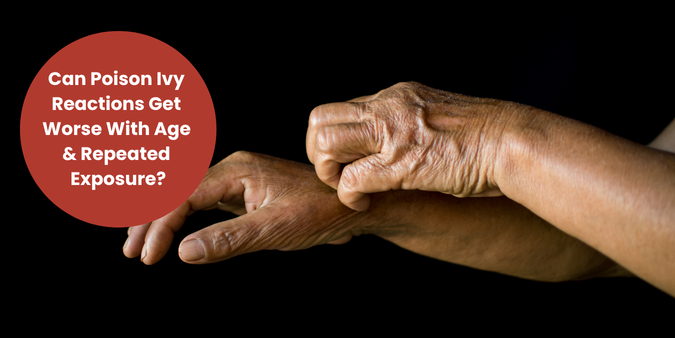
Have you noticed that your poison ivy rash seems worse than it used to be? Maybe a little contact once caused mild itching, but now it leads to painful blisters that last for days?
You're not imagining things! Poison ivy reactions can change as you get older, and repeated exposure may make your skin more sensitive. Let's look at why poison ivy reactions change over time and what you can do to help protect your skin.
Does Poison Ivy Get Worse With Age?
Yes, poison ivy reactions can get worse with age, but not for everyone. Some people become more sensitive over time, while others have milder reactions as they get older.
The biggest factor isn't always your age. It's how your immune system responds to urushiol (pronounced yoo-ROO-shee-ol), the natural oil found in poison ivy, poison oak, and poison sumac.
When your skin comes into contact with this oil, you may develop an allergic reaction. Your body's response may change over the years.
This means:
- You may have mild reactions as a child but stronger reactions as an adult.
- You may become more sensitive after repeated contact.
- Your reactions may stay about the same or become milder over time.
There is no set rule for how poison ivy affects you as you age.
Why Do Poison Ivy Reactions Get Worse With Repeated Exposure?
Your immune system plays a big role in how your skin reacts to poison ivy.
The first time you touch poison ivy, you may not develop a rash. That's because your immune system may need time to learn to recognize urushiol as a threat.
Once your body becomes sensitive to the oil, future contact can trigger an allergic reaction.
This process is called sensitization.
Your immune system remembers the oil and may respond more strongly the next time you touch it. This can lead to:
- More intense itching
- Increased redness and swelling
- Larger or more painful blisters
- Rashes that cover more skin
However, repeated contact with poison ivy doesn't always lead to stronger allergic reactions. Each reaction depends on your sensitivity and how much urushiol reaches your skin.
Important: Touching poison ivy more often is not a safe way to build immunity. Repeated contact may actually increase your sensitivity.
What Makes Some Poison Ivy Reactions Worse Than Others?
Ever wonder why one poison ivy rash is mild while another is miserable?
Several factors can affect how strongly your skin reacts.
1. Your Sensitivity to Poison Ivy
Everyone's immune system is different. Some people develop severe rashes after very little contact, while others have mild symptoms.
Your sensitivity can also change over time.
2. How Much Poison Ivy Oil Touches Your Skin
The more urushiol that gets on your skin, the greater your risk of a serious rash.
You can also pick up the oil without touching the plant directly. It can stick to clothing, gardening tools, shoes, and even your pet's fur.
3. Repeated Exposure
If your immune system already recognizes urushiol, another encounter may lead to a stronger reaction.
This is one reason poison ivy can seem worse after years of gardening, hiking, or spending time outdoors.
4. How Quickly You Wash Your Skin
Urushiol can begin sticking to your skin soon after contact. Washing quickly may help prevent a rash or reduce its severity.
Waiting too long gives the oil more time to affect your skin.
Is Poison Ivy Becoming Stronger?
It's not just your body's reaction that may be changing. The plants themselves may also be changing.
A six-year study by Duke University found that higher levels of carbon dioxide (CO₂) helped poison ivy grow faster and produce a more allergy-causing form of urushiol.
This suggests that rising CO₂ levels could make poison ivy a greater concern in the future.
While that doesn't mean every poison ivy plant is more harmful today, it's another good reason to be careful outdoors.
How Can You Prevent a Severe Poison Ivy Reaction?
You can't control how your immune system reacts, but you can take steps to lower your risk of exposure.
Here are five simple ways to help protect your skin.
- Learn to spot poison ivy. Remember the saying, "Leaves of three, let it be." Poison ivy can grow as a vine or small plant.
- Cover exposed skin. Wear long sleeves, pants, gloves, and closed-toe shoes when working in areas where poison ivy grows.
- Wash your skin right away. If you think you've touched poison ivy, wash your skin as soon as possible with plenty of water and soap or a poison ivy cleanser like Zanfel.
- Clean clothing and tools. Urushiol can stay on surfaces long after you leave the area. Wash clothes and clean outdoor gear after possible contact.
- Never burn poison ivy. Smoke from burning plants can carry harmful particles and cause serious breathing problems.
These small steps can make a big difference, especially if you've had severe reactions in the past.
What Should You Do if You Get Poison Ivy?
Even with careful planning, accidents happen.
If you develop a mild poison ivy rash, you can often manage the itching at home with:
- Cool, wet compresses
- Calamine lotion
- Colloidal oatmeal baths
- Over-the-counter hydrocortisone cream
Try not to scratch or break the blisters. This can damage your skin and increase the risk of infection.
Most poison ivy rashes clear up within one to three weeks, although severe cases may last longer.
When should you see a doctor?
Seek medical care if your rash is severe, covers large areas, shows signs of infection, or affects your face or genitals. Get emergency help if you have trouble breathing or swallowing.
Frequently Asked Questions About Poison Ivy Sensitivity
Can you suddenly become allergic to poison ivy as an adult?
Yes. You can develop a poison ivy allergy at any age, even if you've touched the plant before without getting a rash. Your immune system can become sensitive to urushiol over time.
Does poison ivy get worse every time you get it?
Not necessarily. Some people develop stronger reactions with repeated exposure, while others do not. The amount of oil you touch and your immune system's response both affect the severity of your rash.
Why do I get poison ivy worse than other people?
You may be more sensitive to urushiol, or you may have come into contact with more of the oil. Everyone's immune system reacts differently.
Can poison ivy reactions become less severe with age?
Yes. Some people notice milder reactions as they get older. However, others become more sensitive. There is no way to predict exactly how your allergy will change.
Enjoy the Outdoors With Outdoor Joe's Poison Ivy Pro®
Poison ivy reactions can change over time, but you don't have to let the fear of an itchy rash keep you indoors.
Outdoor Joe's® Poison Ivy Pro is a homeopathic oral solution made with Rhus Toxicodendron, designed to help reduce sensitivity to poison ivy, poison oak, and poison sumac.
Learn more about Outdoor Joe's Poison Ivy Pro® and how it's used.
Explore Outdoor Joe's Poison Ivy Pro® and make poison ivy awareness part of your outdoor routine.
